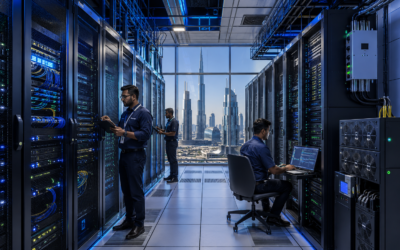


Telecom networks no longer carry only voice calls and SMS. Enterprise and carrier networks now handle video, cloud applications, IoT devices and unified communications, all expecting high speed and minimal downtime. As networks grow more complex, integration is what keeps them working together.
What Integration Does in a Modern Network
- Connects voice, data, video and IoT systems on a shared infrastructure
- Links network equipment with monitoring, billing and support tools
- Allows centralised management across sites and technologies
- Automates provisioning so new services launch faster
Key Benefits
Better performance
Integrated monitoring spots congestion and faults before users notice.
Stronger security
A unified view of the network makes it easier to apply consistent policies and detect threats.
Faster service delivery
Automated, connected systems shorten the time from order to working service.
Future readiness
Well-integrated networks are easier to extend with 5G, Wi-Fi 6/7, IoT and cloud services.
What This Means for Businesses
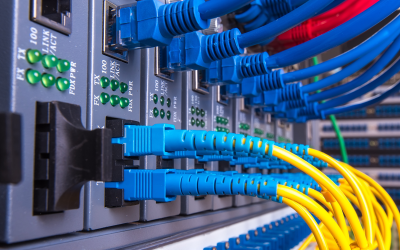
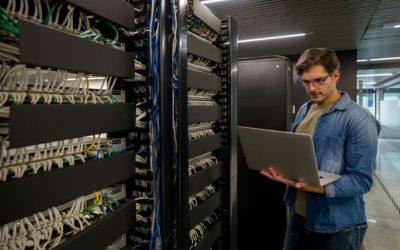
Even within a single organisation, phones, network switches, Wi-Fi, CCTV and access control increasingly share the same cabling and network. Designing them together, rather than separately, reduces cost and problems.
Conclusion
Integration is the foundation of reliable modern networks. The Node IT designs structured cabling, IP phone systems and integrated infrastructure for businesses in Qatar. Contact us to discuss your network.