
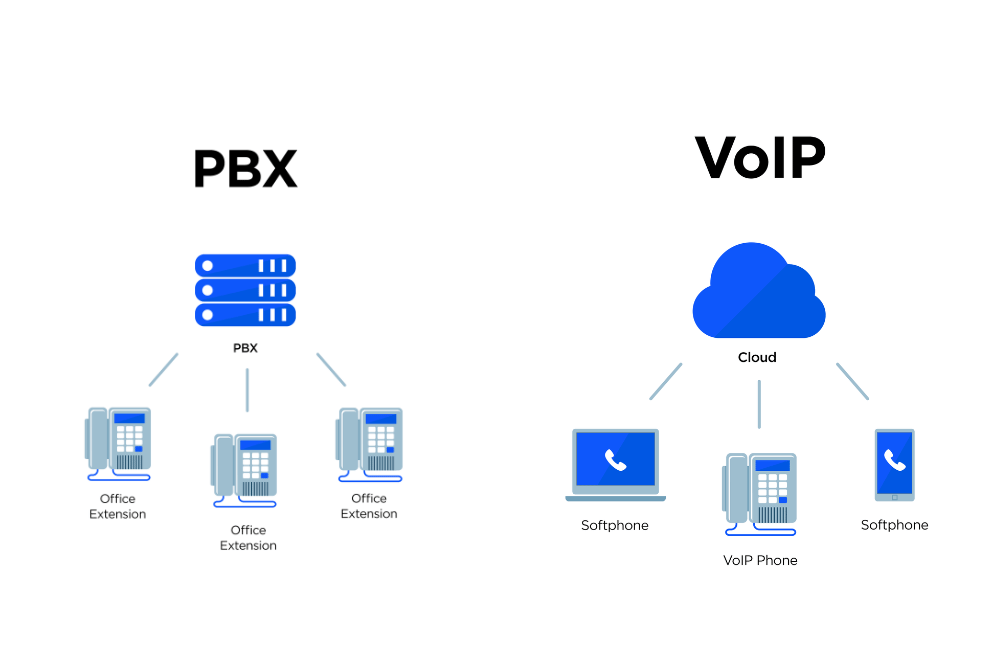
VoIP and IP PBX systems lower costs and add powerful features, but like any connected system they can be targeted by attackers. Toll fraud, eavesdropping and service disruption are real risks. Use this checklist to protect your phone system.
8-Point PBX and VoIP Security Checklist
1. Keep firmware and software updated
Apply PBX, phone and gateway updates promptly, because new releases fix known security flaws.
2. Use strong, unique passwords
Change every default password, including admin accounts, extensions and voicemail PINs, and use long, unique passwords managed in a password manager.
3. Separate voice and data traffic
Put phones on their own VLAN so problems on the data network do not affect calls, and attackers cannot easily reach the phone system.
4. Protect the system with a firewall
Do not expose the PBX admin interface to the internet. Allow SIP traffic only from your operator and trusted locations.
5. Restrict international and premium calls
Block destinations you never call and set call limits, which reduces the damage if an account is compromised.
6. Encrypt calls where possible
Use TLS and SRTP to protect signalling and voice from eavesdropping.
7. Secure remote access
Remote workers should connect through a VPN or secure softphone apps, never through open ports.
8. Monitor and review
Review call logs and alerts regularly for unusual activity, such as calls at night or spikes in international traffic.
Conclusion
Most phone-system attacks are prevented by basic, consistent security habits. The Node IT installs and secures IP phone systems and firewalls for businesses in Qatar. Explore our cyber security services or contact us for a security review.