
A network installation takes careful planning and precise work. Even experienced teams can make mistakes that lead to poor performance, difficult maintenance and higher costs later. Here are six common cabling mistakes to avoid on your next project in Qatar.
1. Poor planning
Choosing cables only for today’s needs limits future growth and forces expensive upgrades. For most new offices, Cat 6A, which supports 10 Gbps over the full 100-metre channel, is a sensible choice.
2. Running data cables next to power cables
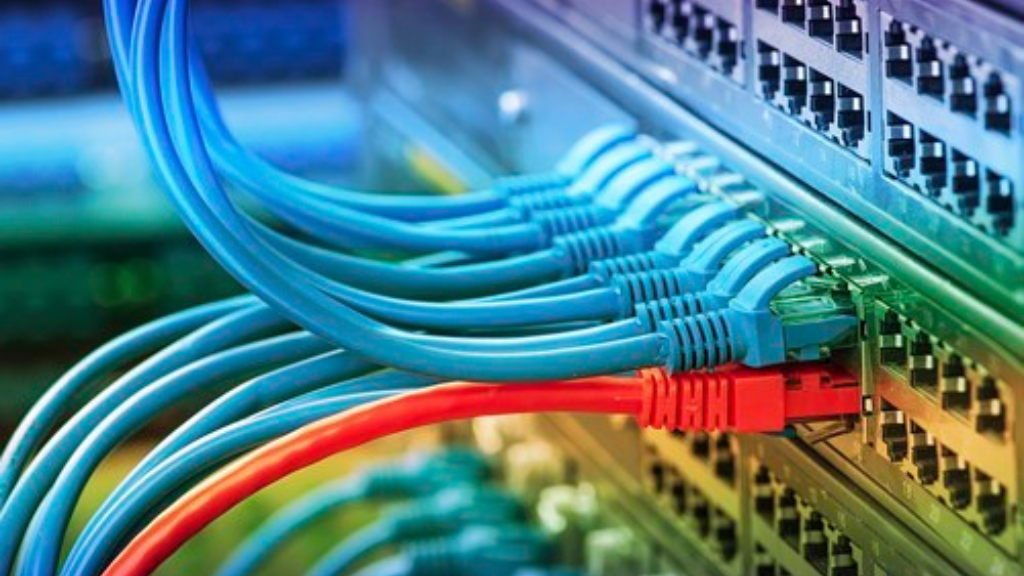
Network cables laid alongside electrical wiring pick up interference, causing weak signals and slow, unreliable connections. Keep them separated and use proper containment.
3. Ignoring safety requirements
Cabling must meet fire and safety regulations. In ceilings, risers and other sensitive areas, low smoke zero halogen (LSZH) cables are often required instead of standard PVC. Check requirements with your consultant before installation.
4. Overlooking distance limits
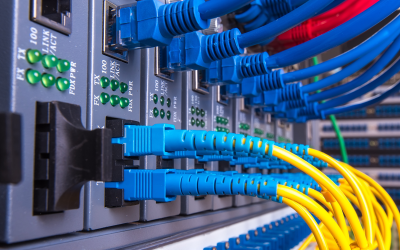
Copper Ethernet links are limited to 100 metres. Cat 5e and Cat 6 handle 1 Gbps over that distance, while 10 Gbps over the full length needs Cat 6A. Longer runs between floors or buildings should use fibre.
5. Skipping testing
Every link should be tested and certified before handover. Faults found after ceilings are closed are slow and expensive to fix.
6. No labelling or documentation
Unlabelled cables turn simple changes into guesswork. Label both ends of every cable and keep up-to-date drawings.
Conclusion
Most cabling problems come from rushed planning and skipped steps. Read our guide on choosing a structured cabling provider, or ask The Node IT to plan and certify your next installation in Doha.